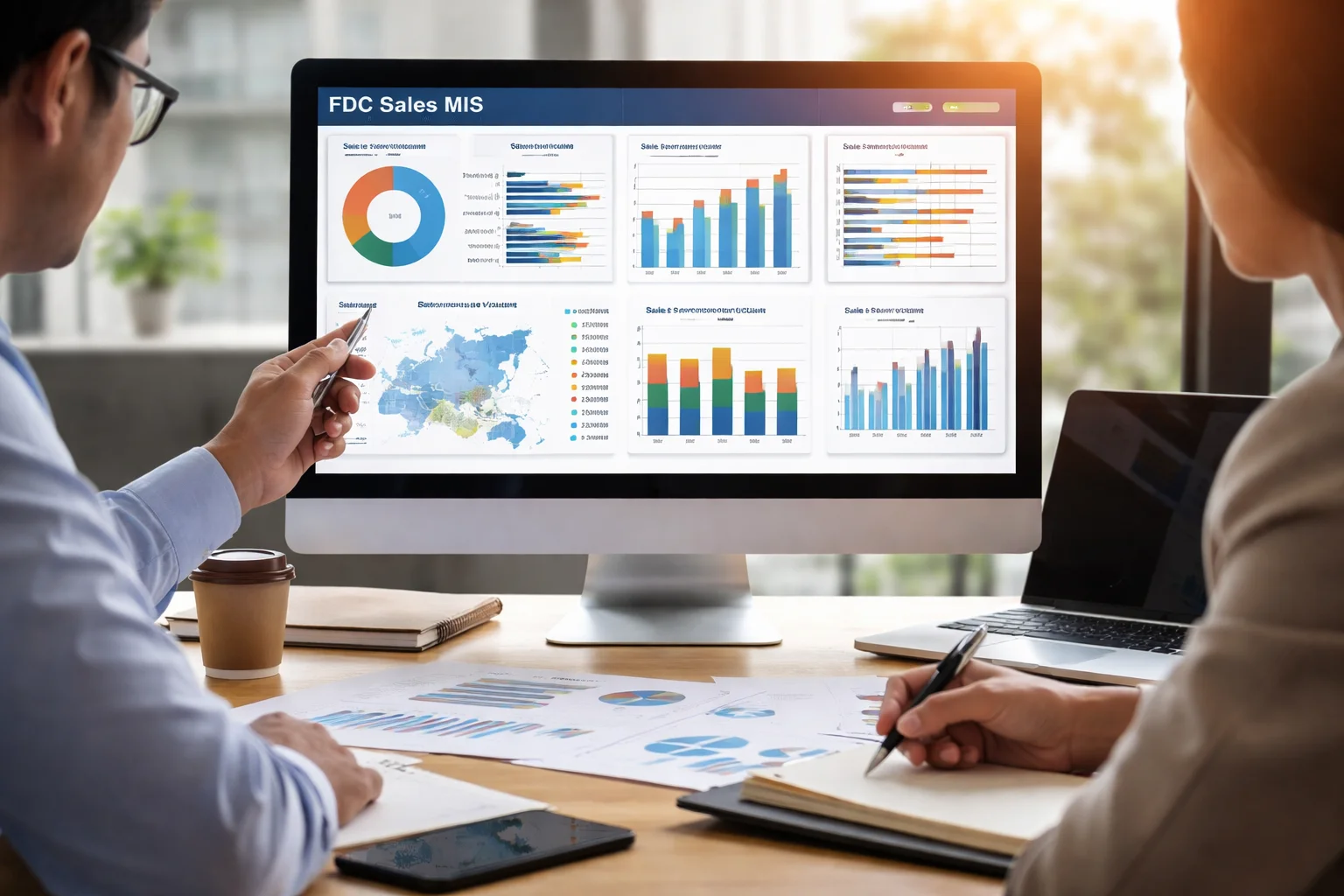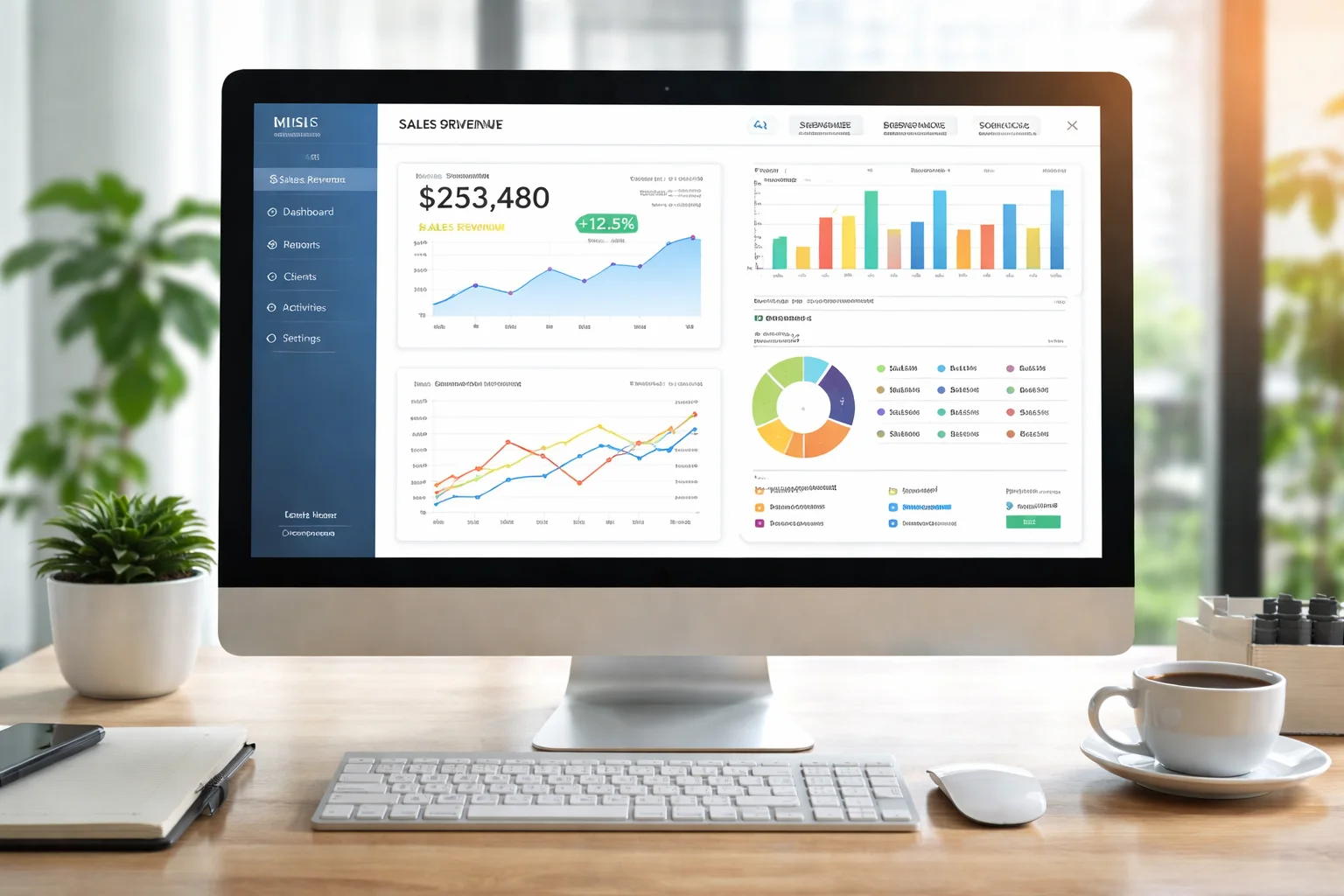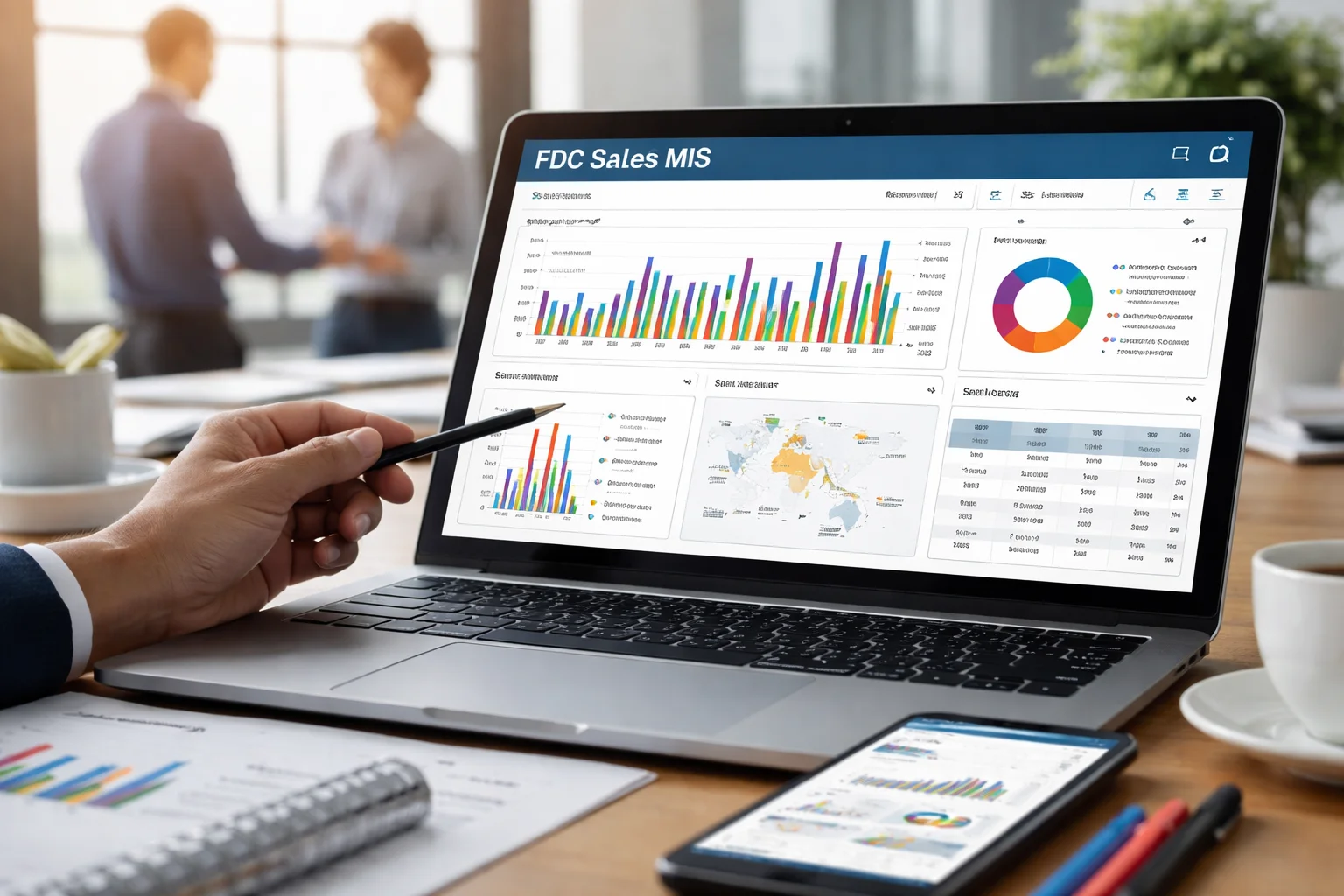
If you work in sales, distribution, or operations, you may have heard people mention “FDC Sales MIS” and wondered what it actually means. Is it a software? A report? A portal? Or just another technical term?
This article is here to clear that confusion. You will learn what FDC Sales MIS is, how it works, why it exists, and how it helps teams make better decisions. Everything is explained in simple language, with real-world context.
By the end, you should have a clear, practical understanding of the system.
What does FDC Sales MIS actually mean?
Breaking down the term in simple words
FDC Sales MIS is made up of three parts:
FDC usually refers to Field Distribution Channel or Field Data Collection.
Sales relates to sales activities, performance, and transactions.
MIS stands for Management Information System.
Put together, FDC Sales MIS is a system that collects sales and field data, organizes it, and turns it into useful information for managers and teams.
In simple terms, it is a system that helps businesses track, analyze, and manage sales activity in the field.
Why do companies use an FDC Sales MIS?
The real problem it is designed to solve
In many organizations, sales data comes from different places. Field staff submit reports, distributors send numbers, and managers try to piece everything together.
This creates problems such as:
- Delays in reporting
- Data errors
- Confusion about actual performance
- Poor decision-making
FDC Sales MIS exists to solve these issues by centralizing data and making it easy to view, understand, and act on.
How does an FDC Sales MIS work in practice?
From field activity to management dashboard
Here is a simple flow:
- A sales representative visits shops or clients.
- They record sales, stock, or orders using a mobile app or form.
- That data goes into the FDC Sales MIS system.
- Managers see reports, summaries, and trends in real time.
Instead of waiting for manual reports, everything is updated automatically.
What kind of data does FDC Sales MIS handle?
Sales, stock, and performance in one place
An FDC Sales MIS typically manages:
- Daily sales figures
- Product-wise performance
- Distributor and retailer activity
- Stock levels in the field
- Target vs achievement data
- Visit and coverage reports
This gives a full picture of what is happening on the ground.
Who usually uses FDC Sales MIS?
Different users, different benefits
An FDC Sales MIS is not just for one type of user.
Sales Representatives use it to submit data and track their progress.
Supervisors use it to monitor team activity.
Managers use it to analyze performance and plan strategy.
Operations teams use it to manage supply and distribution.
Each level gets the information they need in a format that makes sense to them.
What are the main features of an FDC Sales MIS?
Tools that make work easier, not harder
Most FDC Sales MIS systems include:
- Dashboards with visual reports
- Filters for date, region, product, or team
- Export options for reports
- User roles and access control
- Real-time data updates
These features reduce manual work and improve accuracy.
How is FDC Sales MIS different from normal sales reports?
System vs spreadsheet thinking
Traditional sales reports are often:
- Manually prepared
- Limited in detail
- Slow to update
- Prone to errors
FDC Sales MIS, on the other hand, is:
- Automated
- Detailed and structured
- Updated in real time
- Easy to analyze
It is not just a report. It is a complete information system.
Common confusion about FDC Sales MIS
Clearing up the misunderstandings
Some people think FDC Sales MIS is:
- Only for big companies
- Only a reporting tool
- Too technical to use
In reality, it can be used by small and large organizations, is designed for daily operations, and is often user-friendly.
The goal is simplicity, not complexity.
How does FDC Sales MIS help in decision making?
Turning data into clear direction
When managers can see:
- Which products are selling
- Which areas are underperforming
- Which teams are achieving targets
They can take action quickly.
This could mean adjusting strategy, improving training, or changing distribution plans.
Without such a system, decisions are often based on guesswork.
Is FDC Sales MIS only about sales?
More than just numbers
While sales is the core focus, FDC Sales MIS often covers:
- Field activity tracking
- Market coverage
- Retailer engagement
- Stock movement
This makes it a complete field operations support system.
How does FDC Sales MIS support accountability?
Everyone knows what is happening
When data is visible:
- Sales reps know their performance is tracked
- Supervisors know what their teams are doing
- Managers know where results are coming from
This creates transparency and responsibility across the organization.
What should you look for in a good FDC Sales MIS?
Practical qualities that matter
A good system should be:
- Easy to use
- Fast and reliable
- Clear in reporting
- Flexible to business needs
- Secure
If users struggle to use it, the system fails its purpose.
How long does it take to learn FDC Sales MIS?
Realistic expectations
For most users, basic understanding comes within a few days of use.
Advanced features may take longer, but daily tasks are usually simple and repetitive.
Good systems are designed so that even non-technical staff can use them comfortably.
Does FDC Sales MIS replace human judgment?
Data supports, it does not replace
This is an important point.
FDC Sales MIS provides information.
Humans still make decisions.
The system helps you see the reality.
You decide what to do with it.
Frequently Asked Questions
Is FDC Sales MIS the same as a CRM?
No. A CRM focuses on customer relationships. FDC Sales MIS focuses on field sales data, performance tracking, and reporting. They serve different purposes.
Can small businesses use FDC Sales MIS?
Yes. Many small and growing businesses use simple versions of FDC Sales MIS to keep control over their sales operations.
Does FDC Sales MIS require internet all the time?
Some systems work offline and sync later. Others need constant connectivity. It depends on the design of the specific system.
Final thoughts
FDC Sales MIS is not just a technical term or a corporate tool. It is a practical system designed to bring clarity to sales operations.
It helps teams understand what is happening in the field, where performance stands, and what actions are needed. It reduces confusion, saves time, and supports better decisions.
If you work in sales, management, or operations, understanding FDC Sales MIS is not optional. It is a basic skill in today’s data-driven working environment.
The more you understand it, the more confidently you can work with it.