If you use a sales MIS regularly, you’ve probably noticed things looking or working a little differently lately. Buttons may have moved, reports may load faster, or new options may have appeared without much explanation. This often leads to confusion: What changed? Why did it change? And how does it affect my daily work?
This guide clearly explains the latest system updates, what they mean for users, and how to adapt without stress. Whether you manage sales data, track performance, or generate reports, this article will help you understand what’s new and how to use it effectively.
What is included in the latest Sales MIS update?
The newest update focuses on usability, data accuracy, and smoother daily operations. Instead of big cosmetic changes, most improvements are practical and workflow-driven.
Improved dashboard layout and navigation
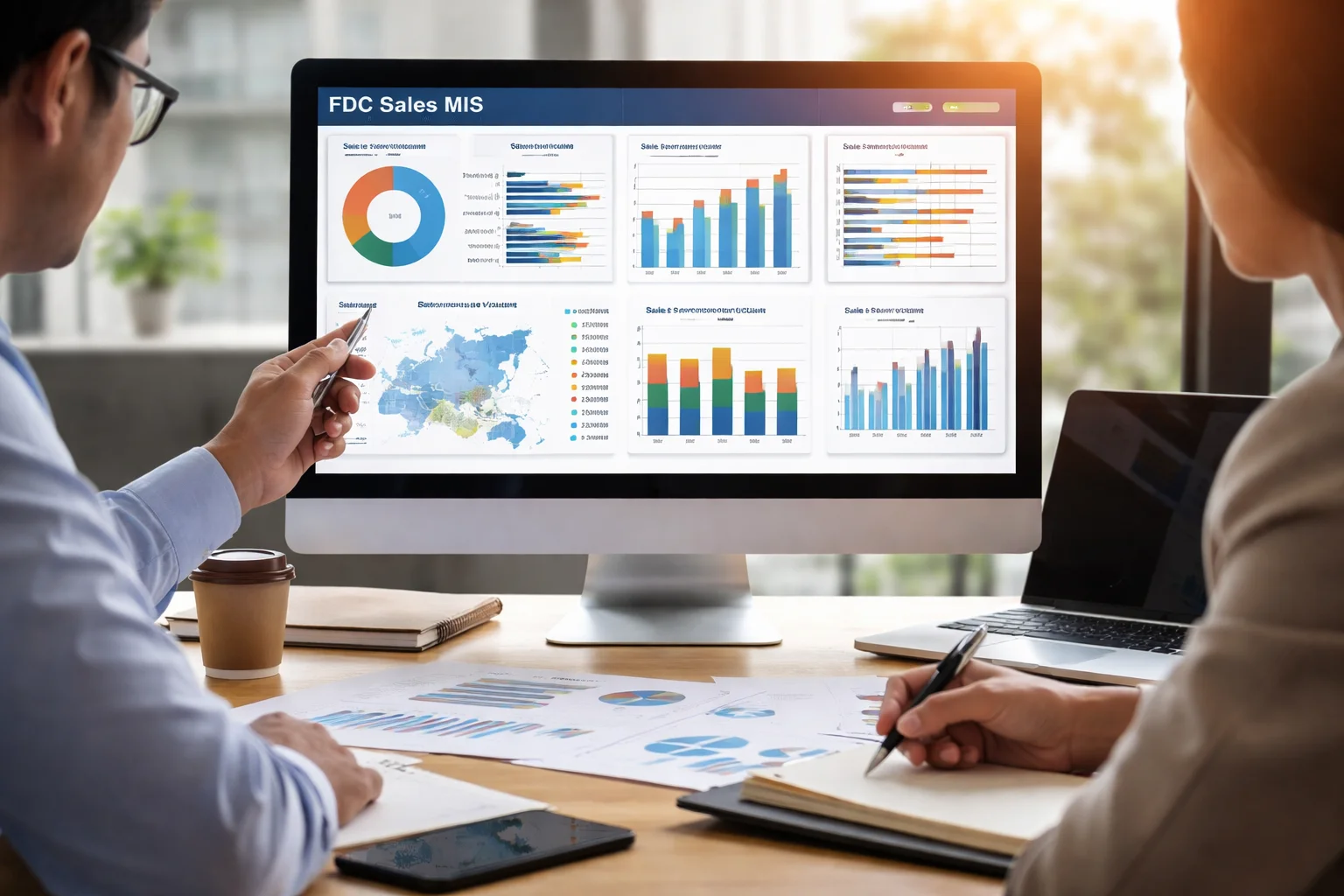
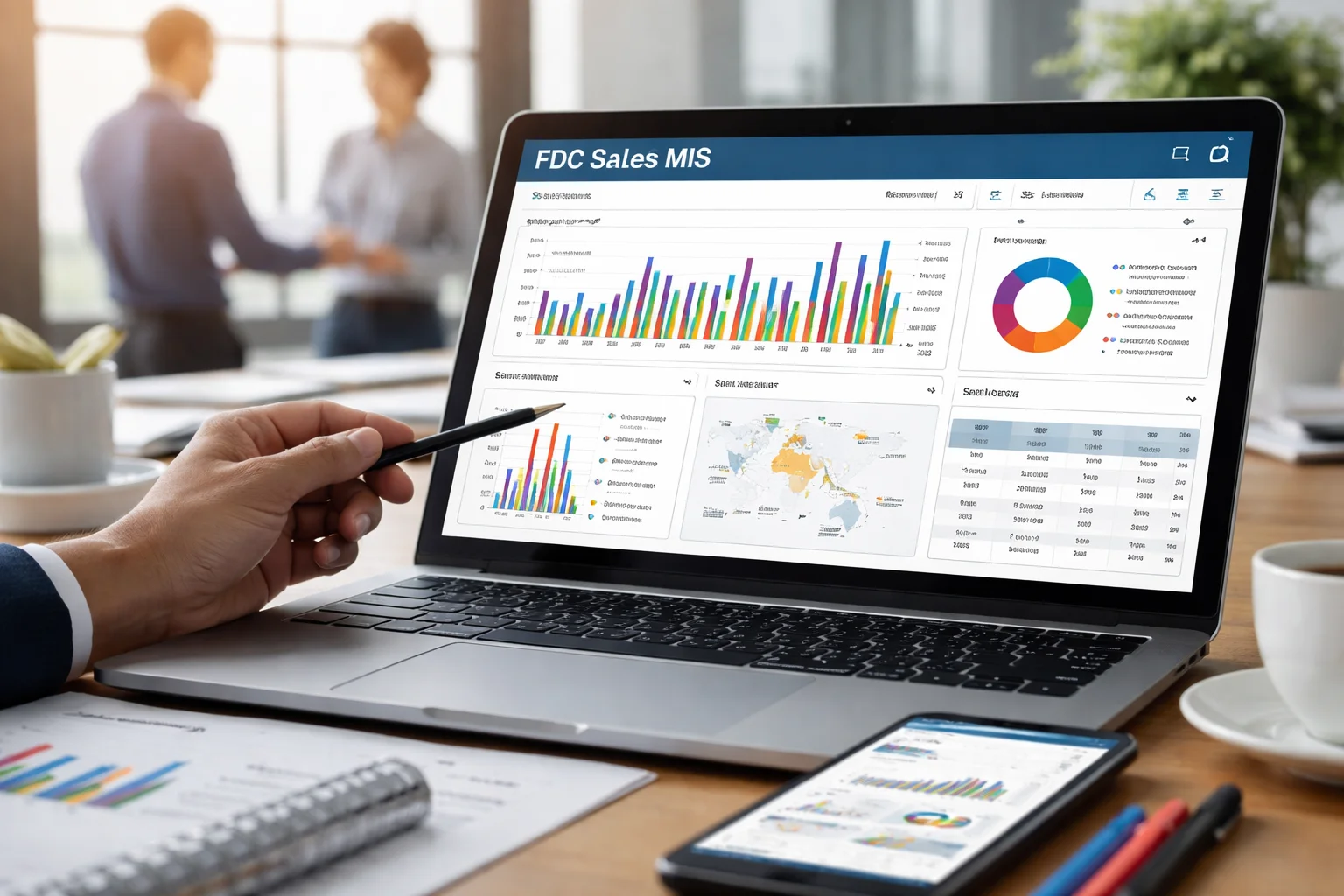
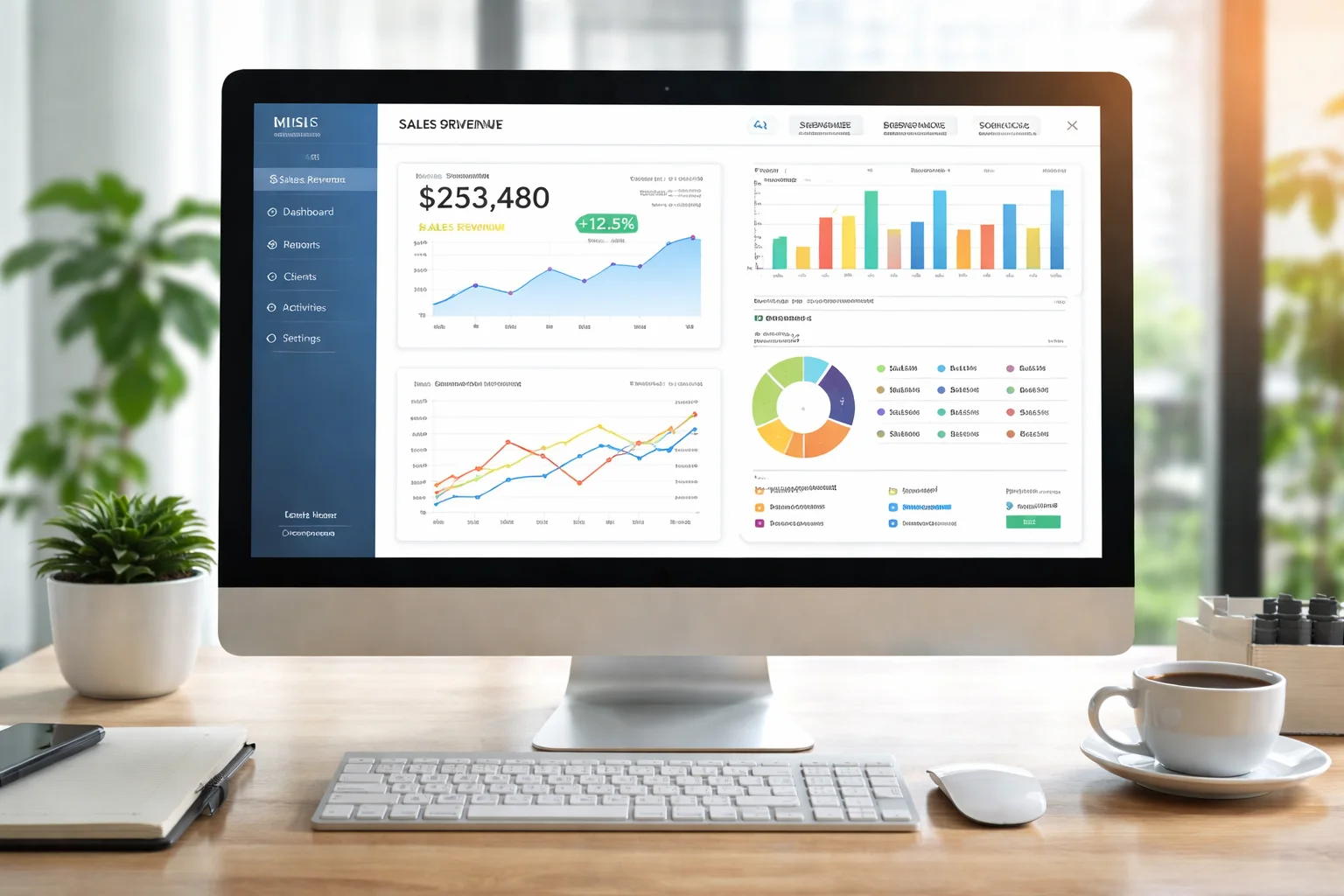
The dashboard is now cleaner and easier to scan. Key metrics like total sales, targets, and pending activities are more visible.
Menus are simplified so users can reach reports and entries with fewer clicks. This saves time, especially during busy working hours.
Faster data loading and syncing
One major change is performance. Data now syncs faster across sections.
For example, when a sale is entered, it reflects more quickly in reports and summaries. This reduces mismatches and delays.
Updated data entry forms
Forms for sales entries, customer records, and follow-ups are more structured.
Fields are better labeled, and some unnecessary inputs have been removed. This reduces errors and speeds up daily data entry.
Why was the system updated?
Many users assume updates are only for design, but the real reason is usually efficiency and reliability.
Reducing manual errors
Older versions often allowed incomplete or inconsistent entries. The new structure guides users to enter correct data the first time.
This is especially helpful for teams with multiple users.
Supporting higher data volume
As sales activity grows, systems need to handle more records without slowing down.
The update improves backend handling so large datasets don’t affect performance.
Making reports more reliable
Small data delays or mismatches can cause big reporting issues. The update improves how data flows into reports.
This means managers get a more accurate picture of daily and monthly performance.
What has changed in reports and analytics?
Reports are where most users feel the impact of updates, so these changes matter.
More detailed sales breakdowns
You can now see clearer separation between products, regions, and salespersons.
This helps identify which areas are performing well and which need attention.
Cleaner report layout
Reports are easier to read. Columns are aligned better, and unnecessary clutter is removed.
This is useful when exporting or sharing reports with management.
Real-time data reflection
In many cases, reports now update almost instantly after entries are saved.
This is a big improvement for teams that rely on live numbers.
How do the new changes affect daily users?
If you are entering data, tracking targets, or checking performance, the update directly affects your routine.
Less time spent searching for options
Because navigation is simpler, you spend less time clicking through menus.
This makes daily tasks smoother and less frustrating.
Fewer mistakes in entries
Better field structure and validations reduce the chance of entering wrong or incomplete data.
This also means fewer corrections later.
More confidence in numbers
When reports match entries accurately, users trust the system more.
This improves decision-making and internal communication.
Are there any changes in login or access control?
Yes, access handling has also been improved.
Clearer user role permissions
Managers, sales staff, and admins now have more clearly defined access levels.
This prevents unauthorized edits and keeps data secure.
Better session handling
The system handles logins more smoothly, reducing sudden logouts.
This is helpful for users working long hours in the system.
How to adjust quickly to the new update
Adapting does not require technical skills. A few simple steps can help.
Spend 10 minutes exploring the dashboard
Click through the main sections and see what’s new.
This small effort prevents confusion later.
Review updated reports
Open your regular reports and compare them with older ones.
Notice layout changes and new fields so you know what to expect.
Ask for internal guidance if needed
If your organization provides training notes or instructions, go through them once.
It can save you from trial-and-error.
Common confusion about the new update
Some users worry when things change. Let’s clear a few misconceptions.
“My data is missing”
In most cases, data is not deleted. It may be under a different filter or tab.
Check date ranges and report types before assuming loss.
“The system is broken”
After updates, systems sometimes feel slow for a short time due to syncing.
This usually stabilizes quickly.
“I need new login details”
Most updates do not change login credentials. If there is an issue, it is usually temporary.
Is this update connected to FDC Sales MIS?
Yes, these changes are part of the ongoing improvements in the FDC Sales MIS environment. The goal is to make the system more reliable, easier to use, and better aligned with real business workflows.
The update is not about rebranding. It is about practical performance and usability improvements.
FAQs
Is training required after the new update?
In most cases, no formal training is needed. The changes are intuitive, and users usually adapt within a day or two.
Will old reports still be available?
Yes, previous reports and historical data remain accessible. Only the layout and processing may have improved.
Can the update be reversed?
No, system updates are permanent. However, feedback can be shared with the admin team if something is unclear.
Conclusion
System updates can feel uncomfortable at first, especially when you rely on the platform daily. But the latest Sales MIS update is focused on making your work easier, faster, and more reliable.
With cleaner dashboards, better reports, and smoother performance, the changes are designed to support real users, not complicate their tasks. Spend a little time exploring the new layout, and you’ll likely find your daily workflow becomes simpler.
If you treat the update as an improvement rather than an interruption, it can genuinely enhance how you manage sales data and decisions.