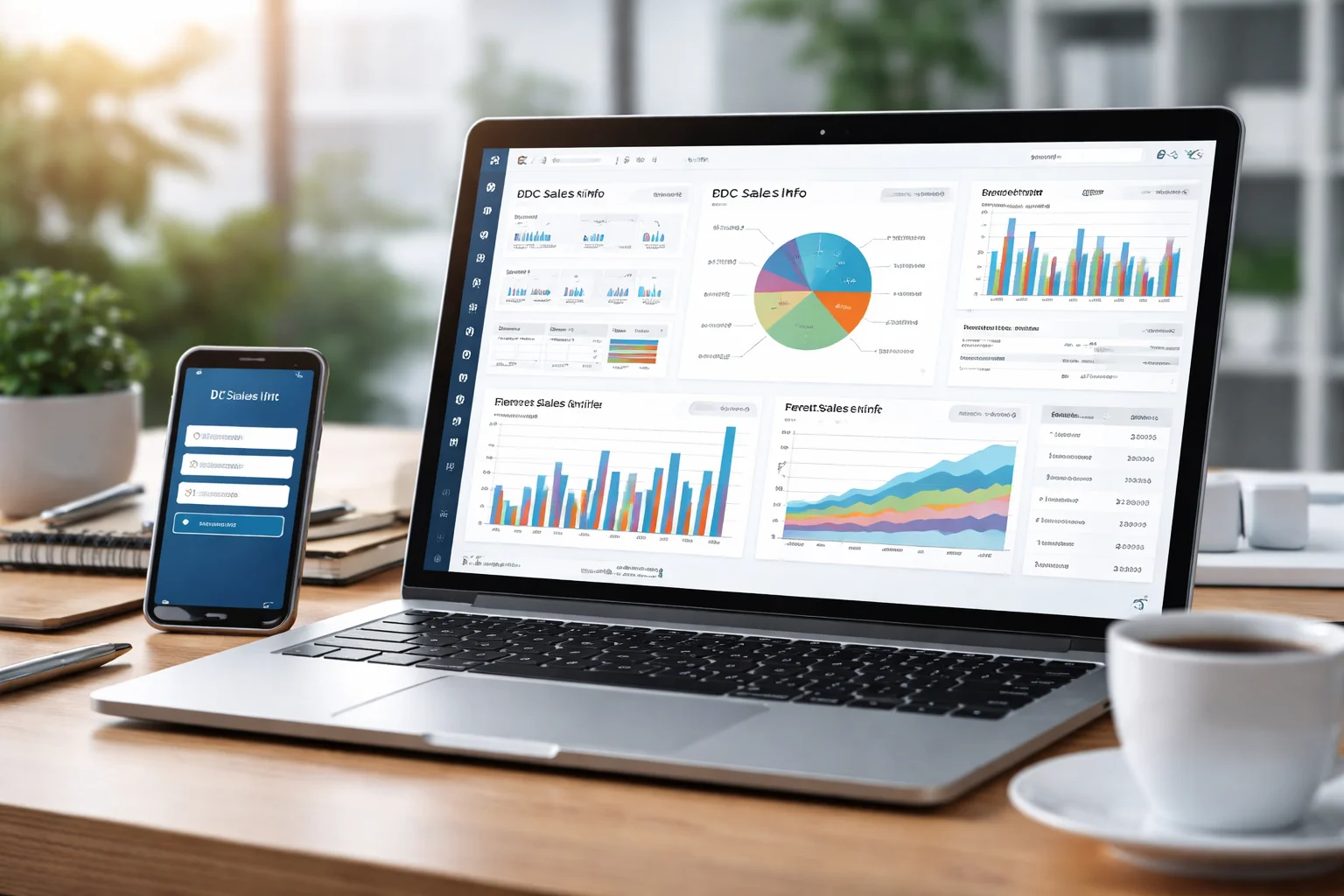
If you’ve recently heard about the FDC Sales System and felt confused, you’re not alone. Many people search for it without fully understanding what it actually does, how it works, or why it’s important. Some think it’s just another reporting tool. Others assume it’s only for large teams. In reality, it’s much simpler—and more useful—than most people expect.
This article will clearly explain what the FDC Sales System is, how it works in real life, what features it offers, and the practical benefits it brings. No jargon. No hype. Just a clean, easy explanation.
What is the FDC Sales System and why does it exist?
Understanding the core purpose
The FDC Sales System is designed to collect, organize, and present sales-related data in one place. Instead of tracking sales manually or through scattered records, it gives teams a structured way to see what is happening, when it is happening, and where improvements are needed.
At its heart, it exists to reduce confusion and increase clarity. When sales data is organized properly, decisions become easier and mistakes are easier to catch.
Who typically uses the FDC Sales System?
The system is used by sales teams, supervisors, managers, and sometimes auditors. Anyone who needs to review sales performance, monitor progress, or generate reports can benefit from it.
It is not limited to one role. From frontline staff to senior management, different users access different parts of the system based on their responsibilities.
How does the FDC Sales System work in real life?
From sales entry to final report
The process usually starts when sales data is entered into the system. This could be daily sales, transactions, or performance figures. Once entered, the system automatically organizes the data into structured records.
After that, it becomes available for review in dashboards, summaries, and reports. This means no one has to manually calculate totals or search through spreadsheets.
A simple example to understand the flow
Imagine a sales representative completes their daily sales. They enter the data into the system. The supervisor can immediately see that data reflected in their dashboard. At the end of the week, management can generate a report showing trends, performance, and comparisons.
Everything flows from one entry point to multiple useful outputs.
What are the main features of the FDC Sales System?
Centralized data management
All sales information is stored in one system. This removes the need for separate files, emails, or handwritten records. It also reduces the risk of data being lost or duplicated.
When everyone uses the same system, consistency improves automatically.
Real-time dashboards and summaries
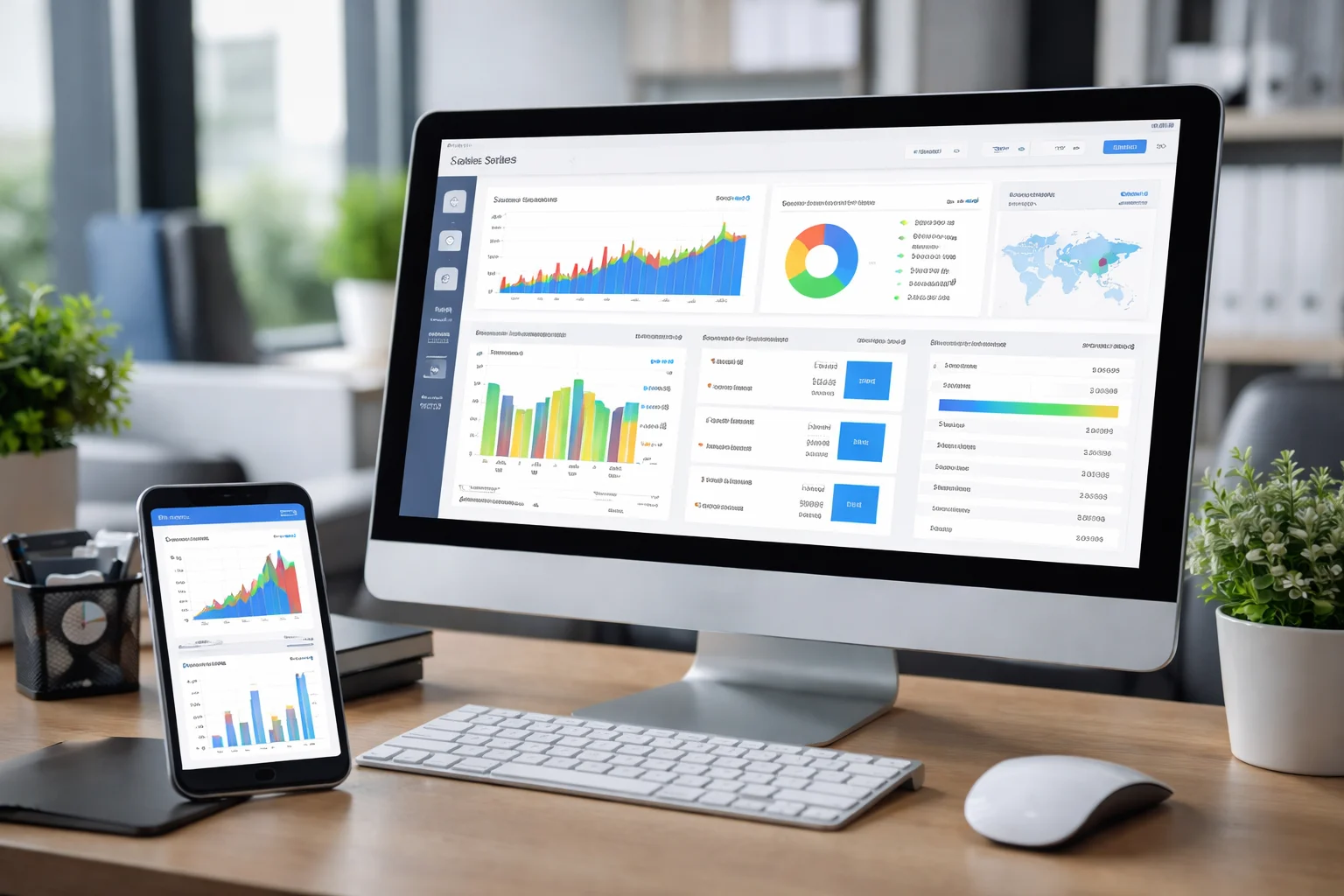
One of the most useful features is the ability to see data in real time. As soon as information is entered, it becomes visible to authorized users.
This helps teams respond quickly if something is off track.
Structured reporting tools
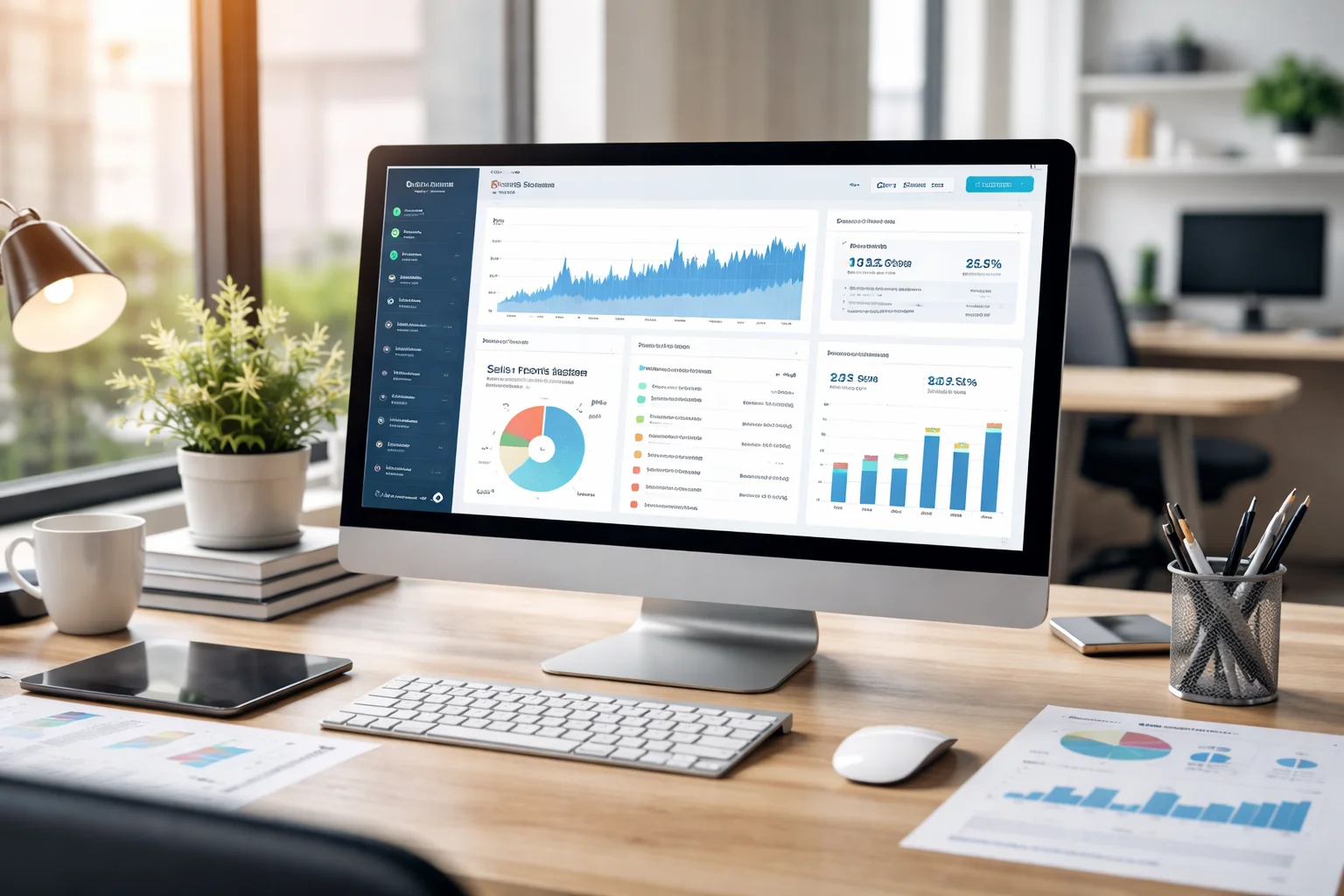
The system allows users to generate reports without needing technical skills. Reports can be daily, weekly, monthly, or custom-based depending on what is needed.
This saves time and ensures reports are based on accurate data.
User access control
Not everyone needs to see everything. The FDC Sales System usually includes access controls so users only see what is relevant to their role.
This improves security and keeps information focused.
What problems does the FDC Sales System solve?
Reducing manual work and errors
Manual tracking often leads to mistakes. Numbers get missed. Entries are duplicated. Calculations go wrong. The system automates much of this work, reducing human error.
Less time fixing mistakes means more time improving performance.
Improving transparency and accountability
When data is visible, responsibility becomes clearer. Everyone knows what has been recorded and when. This reduces misunderstandings and finger-pointing.
It also builds trust within teams.
Making performance easier to track
Without a system, tracking performance over time is difficult. With structured data, trends become visible. You can see what is improving and what needs attention.
This helps in setting realistic goals.
How does the FDC Sales System support decision making?
Turning data into clear insights
Raw numbers don’t help much on their own. The system organizes them into meaningful patterns. You can quickly see high-performing areas and weak spots.
This makes decisions more informed and less based on guesswork.
Helping managers act faster
When issues appear, managers don’t have to wait for end-of-month reports. They can see problems early and take action before they grow.
This leads to better outcomes.
What are the real benefits for teams and organizations?
Better time management
Less time spent compiling data means more time spent selling, training, or planning. The system handles the background work.
This improves overall productivity.
More consistent reporting
When everyone uses the same structure, reports become consistent. This makes comparisons easier and avoids confusion.
Consistency builds reliability.
Stronger internal communication
With shared access to data, teams stay aligned. There is less need for repeated explanations or updates.
Everyone sees the same picture.
Common misconceptions about the FDC Sales System
“It’s only for large organizations”
This is not true. Smaller teams also benefit from structure and clarity. In fact, smaller teams often feel the impact even more because every sale matters.
“It replaces human judgment”
The system does not replace people. It supports them. Decisions are still made by humans, but with better information.
“It’s complicated to use”
Most versions are designed to be user-friendly. If you can use basic software, you can usually use the FDC Sales System.
How the FDC Sales System fits into daily work
For sales staff
Sales staff use it to enter data and check their progress. It helps them stay organized and aware of their performance.
For supervisors
Supervisors use it to monitor teams, identify issues, and provide support where needed.
For management
Management uses it to review trends, plan strategies, and evaluate overall performance.
Each role benefits in a different way, but all rely on the same core system.
FAQs
Is the FDC Sales System the same as FDC Sales MIS?
They are closely related. The FDC Sales System refers to the overall structure and process, while MIS usually focuses more on reporting and management information. In practice, they often work together.
Do I need technical skills to use the FDC Sales System?
No. Most systems are designed for everyday users. Basic computer knowledge is usually enough.
Can the FDC Sales System be accessed online?
In many cases, yes. Systems are often web-based so users can log in from different locations, depending on access permissions.
Final thoughts
The FDC Sales System is not just a tool. It is a way to bring order, clarity, and structure to sales operations. By organizing data, reducing manual work, and making information visible, it helps teams work smarter and more confidently.
If you are new to it, take time to understand how it flows. Once you do, you will see that it is designed to support people, not complicate their work. With consistent use, it becomes a reliable backbone for daily sales activity and long-term planning.
Calm, simple, and practical—that is where its real value lies.