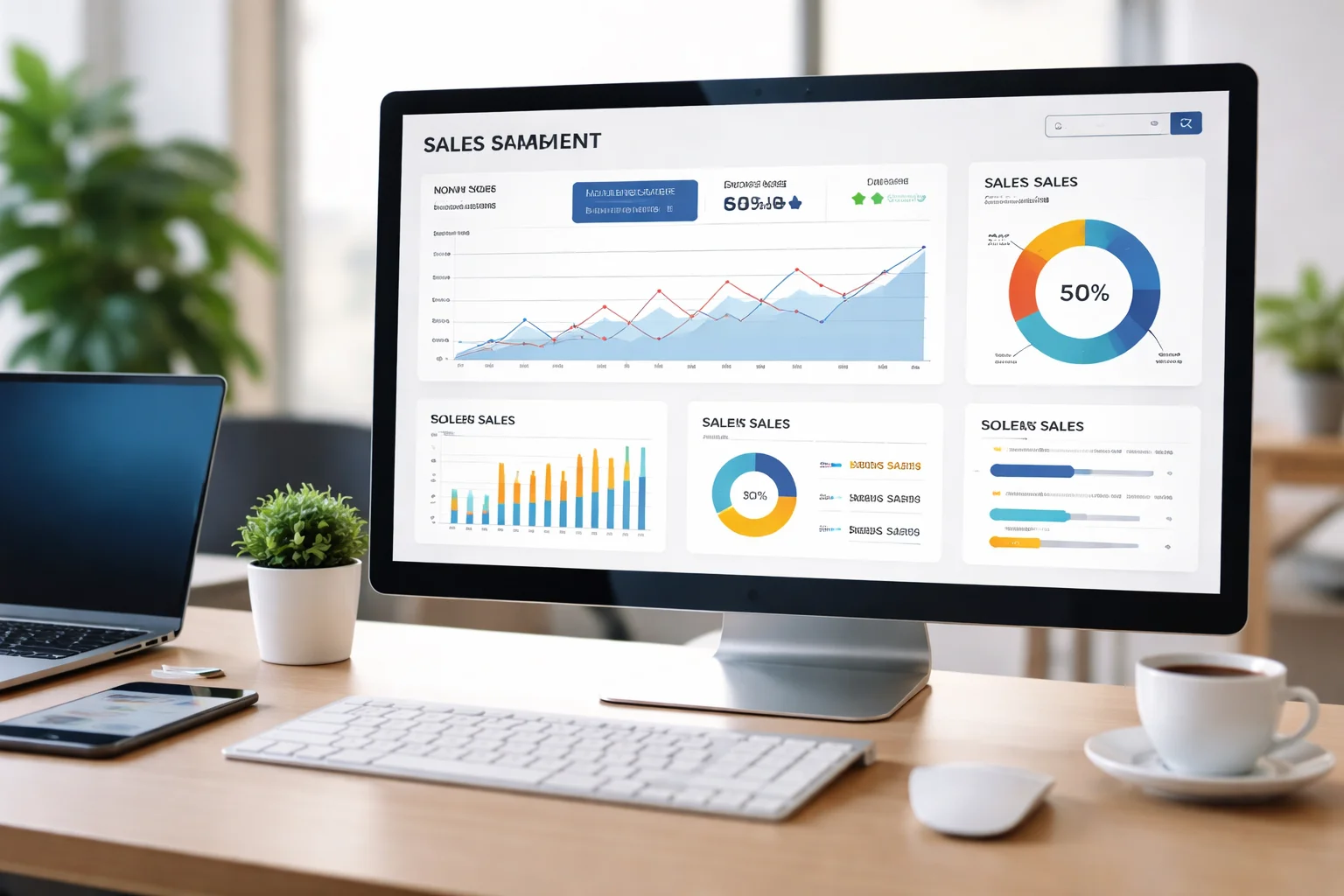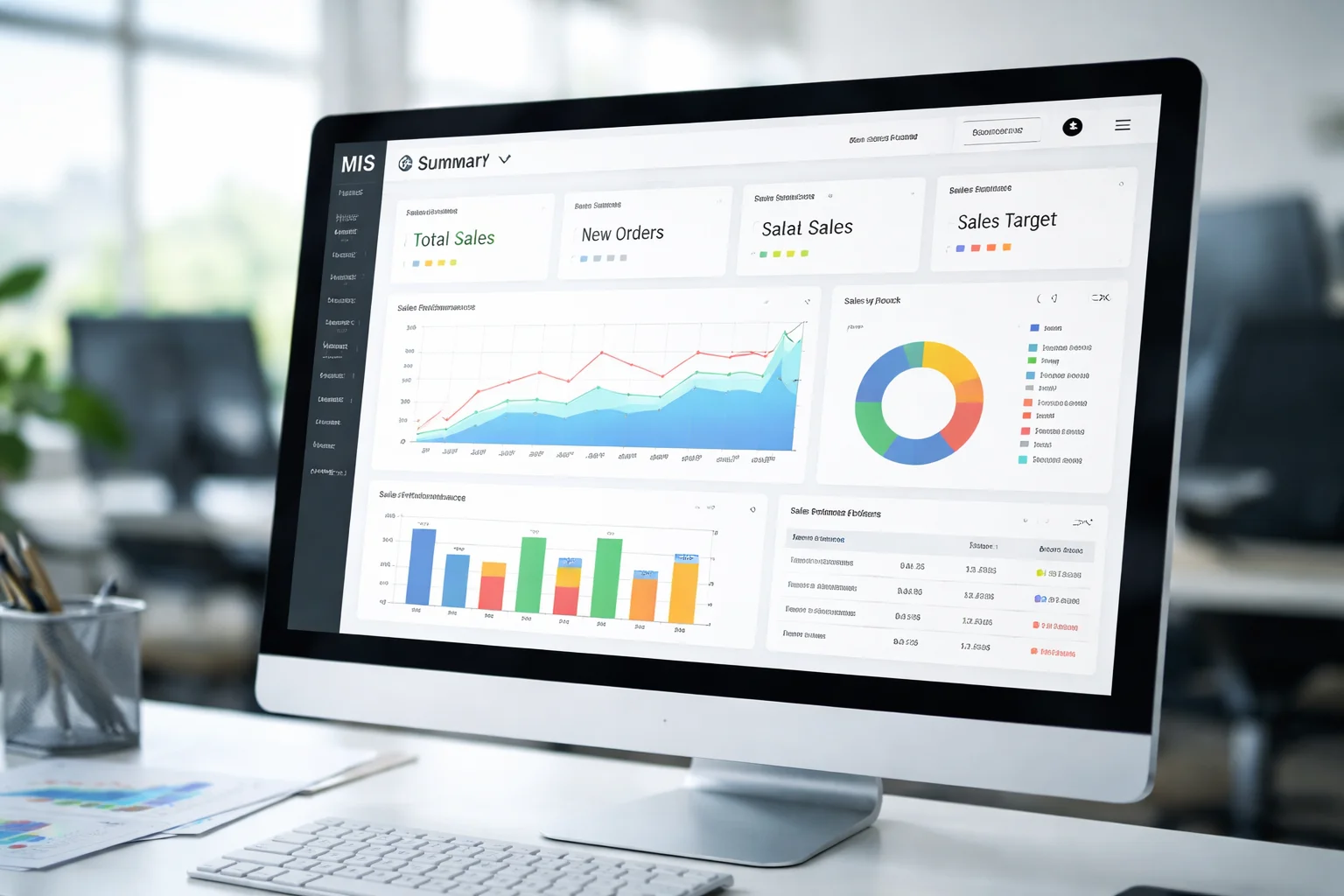
If you recently logged in and noticed the system looks different, you’re not alone. Many users are confused about the new MIS version—what changed, why it was updated, and how to use it properly.
This guide explains everything in simple terms. You’ll learn what the new MIS is, what’s actually new, how it works, and how to use it without feeling lost.
No technical jargon. No assumptions. Just clear help.
What Is the New MIS and Why Was It Introduced?
Understanding what “MIS” means in simple terms
MIS stands for Management Information System. In this context, it is the system used to record, track, and analyze sales data.
It helps teams see orders, performance, targets, and reports in one place.
Why the old system needed an update
The older version was limited. It was slower, harder to navigate, and not very flexible.
The new MIS was introduced to:
- Improve speed
- Make reports clearer
- Reduce manual work
- Support better decision-making
In short, it was built to make daily work easier.
What’s New in the Latest MIS Version?
A cleaner and simpler dashboard
The first thing you’ll notice is the layout.
The dashboard is now:
- More organized
- Easier to read
- Less cluttered
Important numbers are visible at a glance instead of being hidden in menus.
Improved reports and data visibility
Reports are now more detailed and easier to understand.
You can:
- View daily, weekly, and monthly data
- Compare performance quickly
- Spot trends without exporting files
This saves time and reduces mistakes.
Faster performance and smoother navigation
Pages load faster. Actions respond quicker.
This is especially helpful when you are entering data or switching between sections.
How the New MIS Actually Works
How data flows inside the system
When a sale is made, the data is entered into the system.
The MIS then:
- Stores the data
- Updates totals
- Reflects changes in reports
Everything is connected, so you don’t need to enter the same thing multiple times.
How different sections are connected
For example:
- Sales entry affects reports
- Reports affect performance tracking
- Performance tracking affects targets
This connection is automatic. You just focus on entering correct data.
How to Use the New MIS Step by Step
Logging in and accessing the dashboard
After login, you land on the main dashboard.
Here you can see:
- Total sales
- Today’s performance
- Quick links to main sections
This is your control center.
Entering and managing sales data
Go to the sales section. Add new entries by filling in the required fields.
Always double-check before saving. Accurate data means accurate reports.
Viewing reports and performance summaries
Open the reports section. Select the date range or category you want.
You can:
- View summaries
- Drill down into details
- Export if needed
This helps in reviews and meetings.
Common Confusions and How to Avoid Them
“Why does the layout look different now?”
Because it was redesigned for better usability.
Nothing important was removed. It was just reorganized.
Take a few minutes to explore and you’ll get comfortable quickly.
“Where did my old options go?”
Most options are still there.
They may be:
- Under a different menu
- Grouped differently
- Renamed for clarity
Use the navigation panel to find them.
How the New MIS Helps in Real Life
Example: A sales manager reviewing team performance
Before, this might take hours.
Now:
- Open dashboard
- Check team report
- Compare targets and results
It takes minutes instead of hours.
Example: A field rep checking daily progress
Instead of calling the office, they can:
- Log in
- View their own performance
- Know exactly where they stand
This builds confidence and clarity.
FAQs
Is the new MIS difficult to learn?
No. It is actually easier once you spend a little time exploring. The layout is designed to be user-friendly.
Can I still access my old data?
Yes. Your previous data is still there. Only the interface has changed, not the records.
What should I do if something looks wrong?
First, refresh and check again. If the issue remains, contact your system support team with details.
Final Thoughts
The new MIS is not just a visual update. It is a practical improvement designed to save time, reduce confusion, and give clearer insights.
Once you understand how the dashboard, reports, and data flow work together, the system becomes very easy to use.
Take it step by step. Explore without fear. And let the system support your work instead of slowing it down.
If you use it daily, you’ll quickly see the difference.