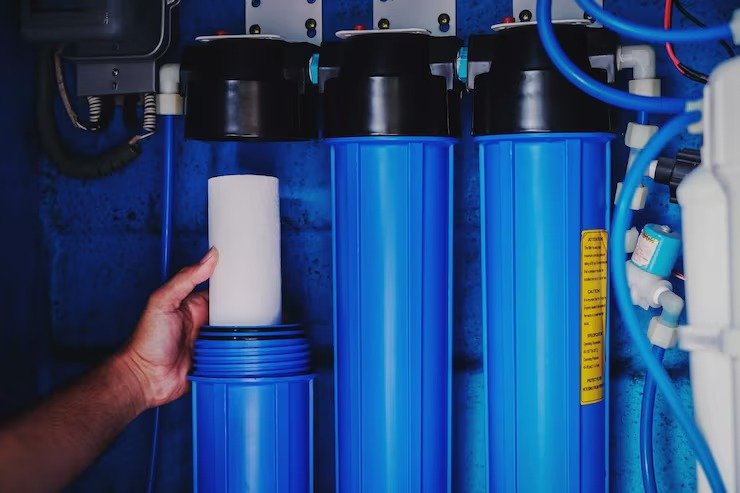
Ensuring access to clean and safe drinking water is a priority for many households. One technology that has gained significant attention for addressing water quality issues is the osmoseanlage, or reverse osmosis system. But what exactly is an osmoseanlage, and why should you consider investing in one? In this detailed guide, we explore the workings, benefits, and considerations involved with reverse osmosis systems, helping you make informed decisions about your water purification needs.
What is an Osmoseanlage?
An osmoseanlage, commonly known as a reverse osmosis system, is a water purification technology that uses a semi-permeable membrane to remove contaminants and impurities from water. This process effectively reduces substances such as salts, bacteria, and other dissolved impurities, resulting in clean and safe drinking water. Understanding the science behind reverse osmosis can help you appreciate its efficacy in improving water quality.
How Does a Reverse Osmosis System Work?
At the heart of an osmoseanlage is the reverse osmosis membrane, which acts as a barrier to unwanted substances. Water is forced through this membrane under pressure, leaving contaminants behind. The purified water is then collected for use, while the impurities are flushed away. This simple yet effective process ensures that your water is free from harmful particles and has improved taste and clarity.
Benefits of Using an Osmoseanlage
Investing in a reverse osmosis system offers numerous advantages, particularly regarding health and environmental impact.
Health Benefits
One of the primary reasons homeowners opt for an osmoseanlage is its ability to provide healthier drinking water. By removing contaminants such as lead, chlorine, and bacteria, these systems significantly decrease health risks associated with poor water quality. This is especially beneficial for families with young children or individuals with compromised immune systems.
Environmental Impact
Reverse osmosis systems also contribute to environmental sustainability. By reducing the need for single-use plastic water bottles, they help decrease plastic waste. Furthermore, advanced models are designed to be energy-efficient, minimizing their carbon footprint.
Choosing the Right Osmoseanlage
Selecting the best reverse osmosis system for your needs involves understanding the different types available and comparing brands effectively.
Types of Systems
Reverse osmosis systems come in various forms, including under-sink units ideal for home use and larger industrial systems. Home systems are compact and designed for easy installation, while industrial versions cater to larger-scale water purification needs. Assessing your specific requirements will guide you in choosing the appropriate system.
Comparing Brands
With numerous brands on the market, it’s crucial to compare features such as filtration efficiency, ease of maintenance, and cost. Reviews and expert recommendations can provide valuable insights, helping you choose a system that offers the best balance of performance and price.
Installation and Maintenance of an Osmoseanlage
Proper installation and regular maintenance are key to ensuring the longevity and effectiveness of your reverse osmosis system.
DIY Installation Steps
- Identify a suitable location under your sink or in your utility area.
- Assemble the system according to the manufacturer’s instructions.
- Connect the system to your water supply.
- Perform a thorough leak check before using the system.
While many opt for professional installation, DIY installation is feasible with the right tools and guidance.
Maintenance Tips
Regularly replacing filters and checking for leaks are essential maintenance tasks. Most systems come with a maintenance schedule, which, if adhered to, ensures optimal performance and extends the system’s lifespan.
Cost Considerations
Understanding the financial aspect of owning an osmoseanlage involves analyzing both initial costs and long-term savings.
Initial vs. Long-term Costs
The initial investment in a reverse osmosis system can vary widely, from a few hundred to several thousand dollars, depending on the model and brand. However, the long-term savings from not purchasing bottled water and reduced health risks make it a worthwhile investment.
Comparing with Alternatives
When evaluating reverse osmosis systems against other filtration technologies, consider factors such as effectiveness, cost, and environmental impact. Reverse osmosis often stands out due to its comprehensive contaminant removal capabilities.
Troubleshooting and FAQs
Common Issues
Some common issues with osmoseanlage systems include reduced water flow and unusual tastes. These can often be resolved by replacing filters or checking for clogs in the system.
Frequently Asked Questions
- How does an Osmoseanlage improve water quality?
By removing impurities and contaminants through a semi-permeable membrane, it provides cleaner, safer water. - What are the maintenance requirements for an Osmoseanlage?
Regular filter replacement and periodic system checks are essential for maintaining optimal performance. - Is an Osmoseanlage worth the investment?
For those seeking to improve water quality and reduce reliance on bottled water, it offers significant benefits and long-term savings. - Can a reverse osmosis system remove all contaminants?
While highly effective, no system can remove all contaminants. However, reverse osmosis is one of the most comprehensive filtration methods available.
Key Takeaways
A reverse osmosis system, or osmoseanlage, provides a reliable solution for those seeking to improve the quality of their drinking water. By understanding the benefits, installation, and maintenance of these systems, you can make an informed decision that enhances your household’s health and sustainability. Whether you’re interested in the health benefits, environmental impact, or economic savings, reverse osmosis systems offer compelling advantages worth considering.