If you’ve heard people talk about “sales info” systems and felt unsure what they mean, you’re not alone. Many users see terms like portal, MIS, dashboard, or reports and feel confused about how everything connects.
This article clears that confusion. It explains what the FDC Sales Info system is, how it works, who it is for, and why it matters—using simple language and real-world examples.
By the end, you’ll have a clear picture of the system without technical jargon.
What is the FDC Sales Info System?
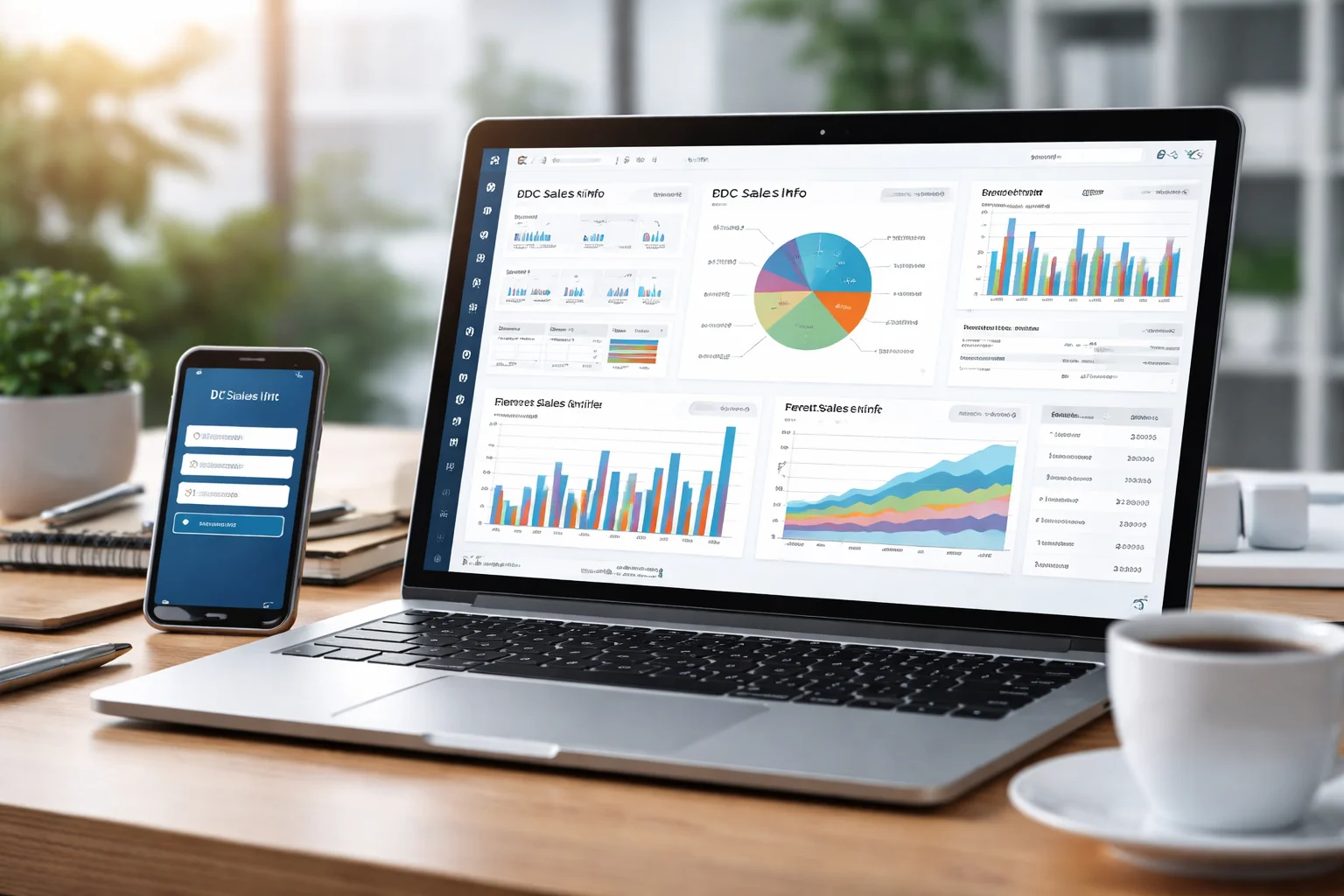
At its core, the FDC Sales Info system is a digital platform used to manage, track, and analyze sales-related activities in one place. Instead of using notebooks, spreadsheets, or scattered tools, everything is handled through a single online system.
It is designed to help teams:
- Record sales data
- Track performance
- Manage distributors and retailers
- Generate reports
- Monitor daily and monthly progress
Think of it as a central control room for sales operations.
Why Was the FDC Sales Info System Created?
Many organizations struggle with the same problems:
- Data is scattered in different places
- Reports take too long to prepare
- Managers don’t get real-time updates
- Errors happen due to manual entry
The FDC Sales Info system was created to solve these issues by bringing structure, accuracy, and visibility into the sales process.
How Does the FDC Sales Info System Work?
Data Entry from the Field
Sales representatives or staff enter data daily. This can include:
- Orders taken
- Products sold
- Stock levels
- Visits to retailers or distributors
Everything is logged into the system in real time.
Centralized Database
All the information goes into one secure database. This means:
- No duplication
- No missing records
- Easy access for authorized users
Managers can view the same data that field staff enter.
Real-Time Visibility for Management
Instead of waiting for weekly or monthly reports, managers can:
- Check today’s sales
- See which areas are performing well
- Identify low-performing regions quickly
This helps in making faster and better decisions.
Who Uses the FDC Sales Info System?
Sales Representatives
They use it to:
- Log daily activities
- Enter orders
- Update visit details
It replaces paperwork and saves time.
Area Managers and Supervisors
They use it to:
- Monitor team performance
- Compare targets vs achievements
- Identify gaps in coverage
It gives them a clear overview without calling each team member.
Head Office and Management
They use it for:
- Strategic planning
- Performance analysis
- Forecasting
- Reporting
It supports long-term business decisions.
Key Features of the System
Sales Tracking
You can track:
- Daily sales
- Monthly totals
- Product-wise performance
- Territory-wise results
This helps in understanding what is selling and where.
Distributor and Retailer Management
The system stores:
- Distributor details
- Retailer profiles
- Purchase history
- Payment status
Everything stays organized in one place.
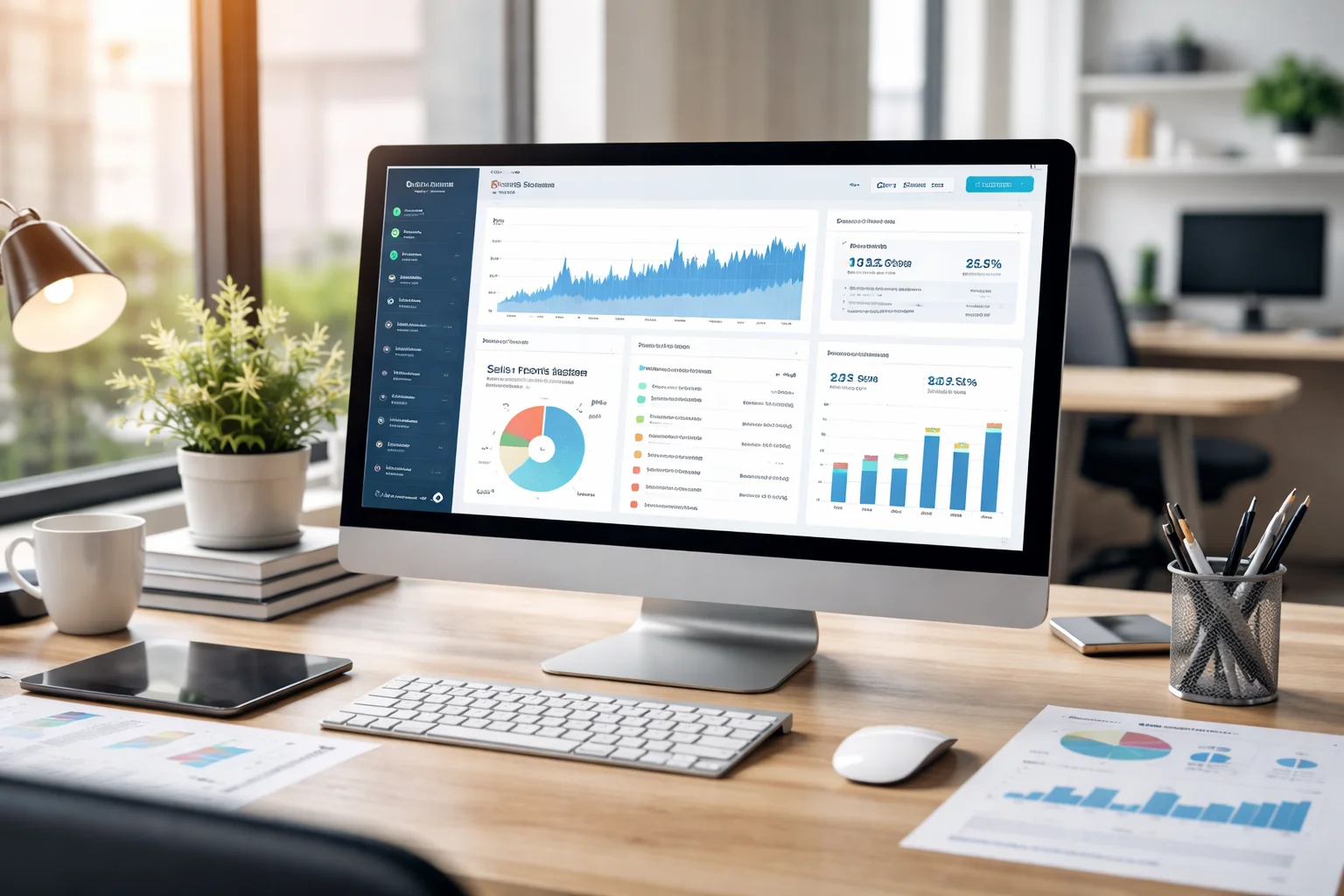
Reporting and Analytics
Instead of manual calculations, the system can generate:
- Sales summaries
- Performance charts
- Comparison reports
This saves hours of work.
User Roles and Access Control
Not everyone sees everything. For example:
- A sales rep sees only their own data
- A manager sees their entire team’s data
- Admin sees full system data
This keeps information secure.
Difference Between FDC Sales Info and FDC Sales MIS
Sales Info
This usually refers to the overall system and platform. It includes data entry, dashboards, reports, and tracking.
Sales MIS
MIS stands for Management Information System. It focuses more on analysis, summaries, and decision-making reports.
In simple terms:
- Sales Info = data collection + daily operations
- Sales MIS = analysis + management view
Both work together.
Using the Portal in Daily Work
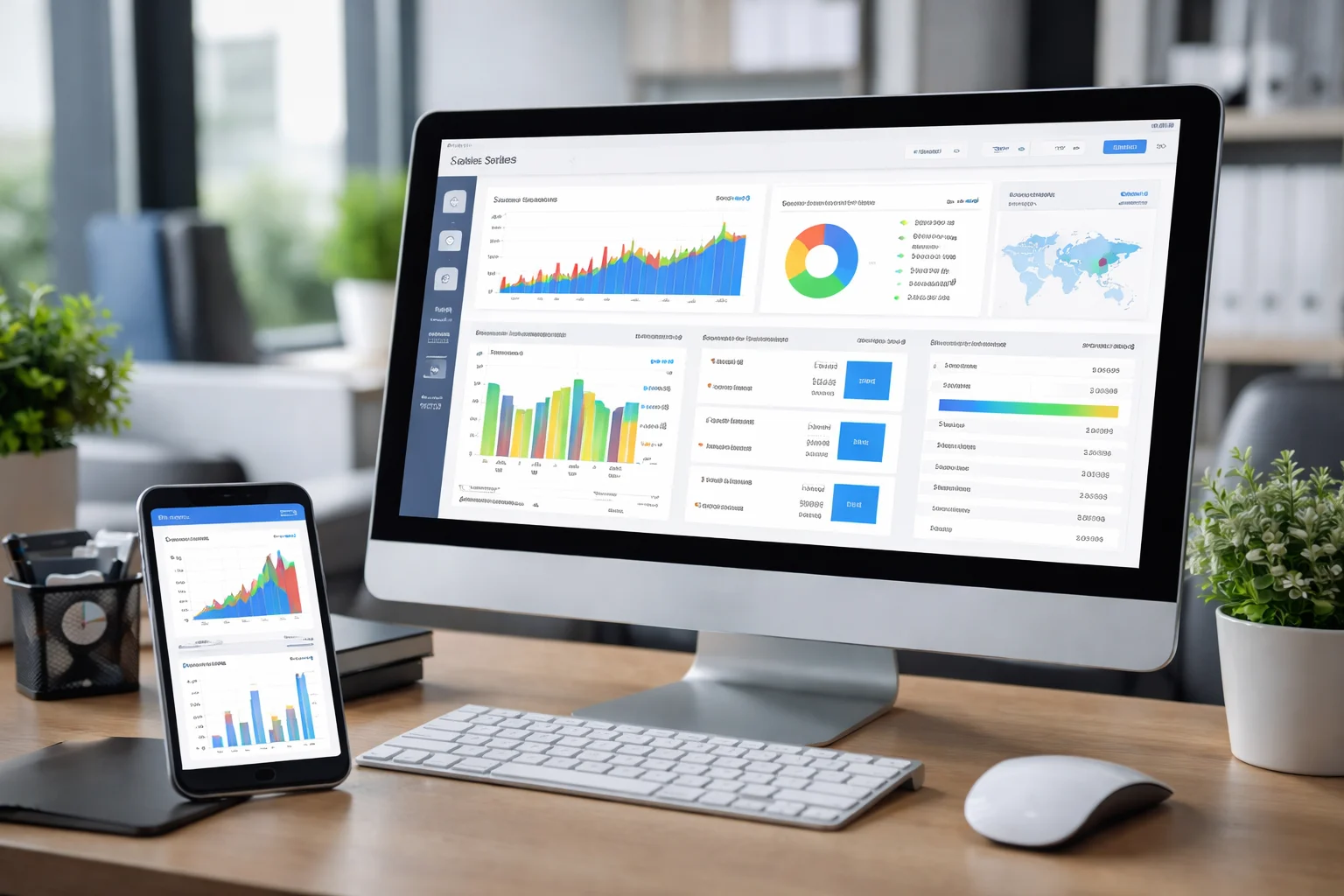
The portal is the online interface where users log in. From the portal, users can:
- Enter data
- View dashboards
- Download reports
- Check targets and achievements
It acts as the main doorway into the system.
Is the System Only for Large Organizations?
Not at all. While large companies use it extensively, smaller teams also benefit because:
- It reduces manual work
- It improves accuracy
- It helps in scaling operations
Even a small sales team can gain clarity using a structured system.
Benefits in Day-to-Day Operations
Less Paperwork
No more registers or handwritten notes. Everything is digital and searchable.
Fewer Errors
The system validates entries and reduces mistakes.
Faster Reporting
Reports that took days can be generated in minutes.
Better Accountability
You can see:
- Who entered what
- When it was entered
- From which location
This improves discipline and transparency.
Common Misconceptions About the System
“It is too complicated to use”
In reality, most portals are designed to be simple. If you can use a smartphone app, you can use this.
“It is only for IT people”
No. It is built for sales teams, not programmers.
“It replaces people”
It doesn’t replace people. It supports them by reducing manual work.
How Do New Users Learn the System?
Most users learn through:
- Short training sessions
- On-the-job practice
- Simple guides or tutorials
Within a few days, most people feel comfortable using it.
How Secure is Sales Data in Such Systems?
Security is a key focus. Common protections include:
- User logins and passwords
- Role-based access
- Data backups
- Activity logs
This helps protect sensitive business information.
FAQs
Is FDC Sales Info a Software or a Website?
It is usually a web-based system that you access through a browser. Some versions may also have mobile access.
Do I Need Technical Knowledge to Use It?
No. Basic computer or smartphone knowledge is enough.
Can Data Be Corrected if a Mistake is Made?
Yes. Most systems allow edits or corrections with proper permissions.
Final Thoughts
The FDC Sales Info system exists to bring clarity, structure, and control to sales operations.
- It replaces guesswork with real data.
- It replaces delays with real-time visibility.
- It replaces confusion with clear reports.
If you are part of a sales team, management, or operations role, understanding how this system works will make your daily work easier and more organized.
As you explore related topics like the portal, MIS, login process, and dashboards, everything will start to connect naturally. The system is not there to complicate your work. It is there to support it.